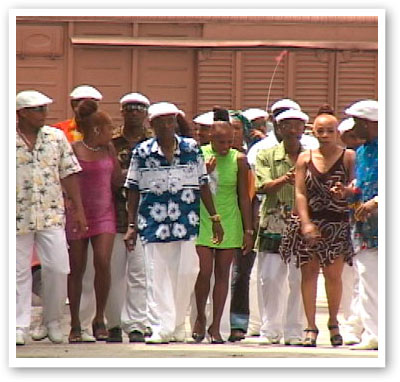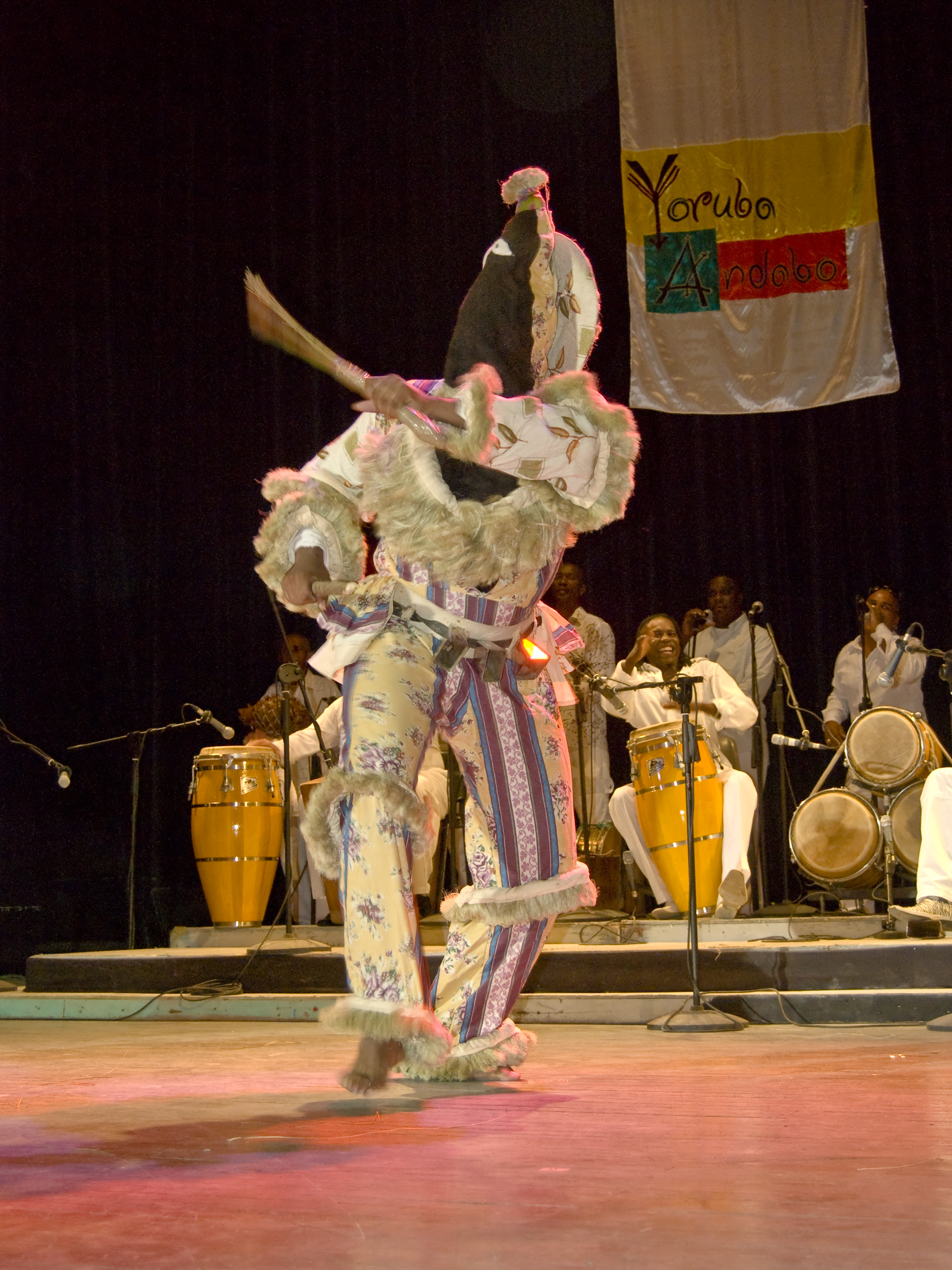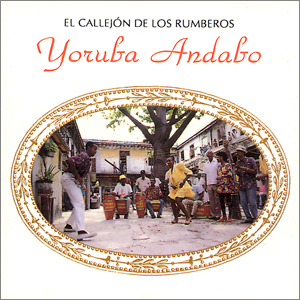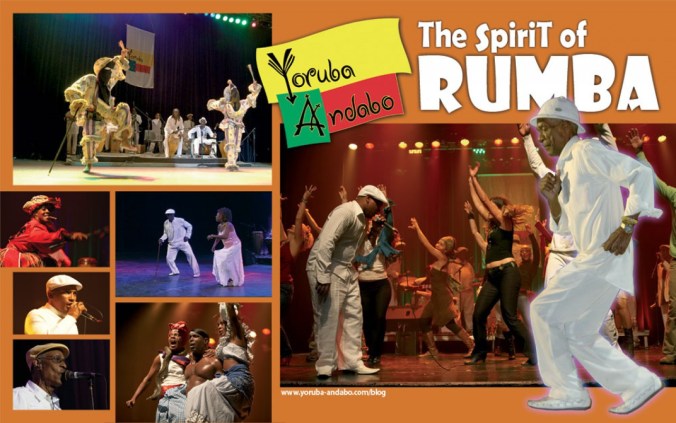
Rumba; the ultimate expression of the Afro-Cuban way of life (Courtesy of and by Baila Society)

Cuban Rumba

History/Culture courtesy of and by “Baila Society”http://www.bailasociety.tv/public/439.cfm

In Cuba, Rumba is a generic term covering a variety of musical rhythms and associated dances. The rumba has its influences in the music brought to Cuba by Spanish colonizers as well as Africans brought to Cuba as slaves. Rumba is more than a music and dance genre; it is the collective expression of the Creole nature of the island itself. Rumba is a secular genre of Congolese African and Spanish flamenco influences, and is one of the primary ancestors of popular music in Cuba.

Los Muñequitos de Matanzas
Map of Cuba

Rumba developed in the Cuban provinces of Havana and Matanzas (one hour east of Havana) in the late 19th century, as a blending of Congolese-derived drumming styles and Spanish flamenco-singing influences. As a sexually charged Afro-Cuban dance, Rumba was often suppressed and restricted because it was viewed as dangerous and lewd.

Afro-Cuban rumba is entirely different than ballroom rumba, or the African style of pop music called rumba. Rumba developed in rural Cuba, and is still danced in Havana, Mantanzas and other Cuban cities as well as rural areas, especially those with a significant or predominant black community, although now it is infused with influences from jazz and hip hop.

A Cuban Rumba song often begins with the soloist singing meaningless syllables, which is called ‘diana(s)’. He then may proceed to improvise lyrics stating the reason for holding the present Rumba (‘decimar’; span.: to make ten-line stanzas), or instead tunes into a more or less fixed song such as: “Ave Maria Morena” (Yambú, Anónimo), “Llora Como Lloré” (Guaguancó, S. Ramirez), “Cuba Linda, Cuba Hermosa” (Guaguancó, R.Deza), “China de Oro (Laye Laye)” (Columbia), “Malanga (Murió)” (Columbia)”.

There are three main styles of Cuban rumba: the yambú (the oldest style dating back to the colonial period), the guaguancó (the most popular of the three) and the columbia (the most African-flavored, and also the fastest).

Rumba Performance
Rumba Performance


Yambú is the oldest and slowest known style of rumba, sometimes called the Old People’s Rumba. As the oldest style, yambú was first played on wooden box drums called cajones (as African-derived drums were feared and often banned), the Cuban claves (simple wooden sticks that are probably one of the most important instruments in the island’s history) and a metal shaker called the maruga. In addition, cucharas (spoons) were sometimes added, playing a counter rhythm to the claves. This counter rhythm would eventually be played by palitos (sticks) on a guagua (horizontal piece of bamboo on a stand).

It uses the slowest beat of the three Rumba styles and incorporates movements feigning frailty. It can be danced alone (especially by women) or by men and women together. Although male dancers may flirt with female dancers during the dance, they do not use the vacunao of Rumba Guaguancó. The yambú dance is slow and graceful, danced by male-female couples who combine Spanish and African movements in a courtship-style partnership.

Rumba Guaguancó is faster than yambú, with more complex rhythms, and involves overtly flirtatious movements between a man and a woman in the roles of “Rooster” and “Hen”. The guaguancó style emerged later as a faster tempo form, and was (and still is) played on tumbadoras (conga drums), along with the claves, the palitos and the maruga. The conga drums are modeled after the Congolese yuka drums, direct descendents of the African ngomas, and would go on to be the most commonly used hand drums in all of Latin music. There are three main sizes (or widths) of tumbadoras: the tumba (bass), the segundo or tresdos (middle) and the quinto (highest, which is the lead drum), and each drum is tuned to a distinct pitch. (At first, tuning took place with heat as the skins were nailed on, but later, metal tuning hardware developed.)

The woman both entices and “protects herself” from the man, who tries to catch the woman off-guard with a vacunao — tagging her with the flip of a handkerchief or by throwing his arm, leg or pelvis in her direction in an act of symbolic sexual contact. To defend herself, she may cover with her hand, or use her skirt to protect her pelvis and whip the sexual energy away from her body. Guaguancó most likely inherited the idea of the ‘vacunao’ from yuca or macuta dances, which were both brought to Cuba by Bantú ethnic groups. This rooster-hen dynamic is a feature of many African dances found throughout the Caribbean and Latin America, and in many places was frowned-upon (or even banned).

(Note: In our CTV routine, we have a “vacunao” moment with the girl protecting herself)


Rumba Columbia (not “Colombia”) is a fast and energetic Rumba, with a 6/8 feel, which is often accompanied by a 6/8 (Spanish ‘seis por ocho’) beat struck on a hoe or a bell. It is assumed that the Columbia originated in hamlets in the interior of Cuba rather than the suburbs of the larger cities from where other types of Cuban Rumba stem.

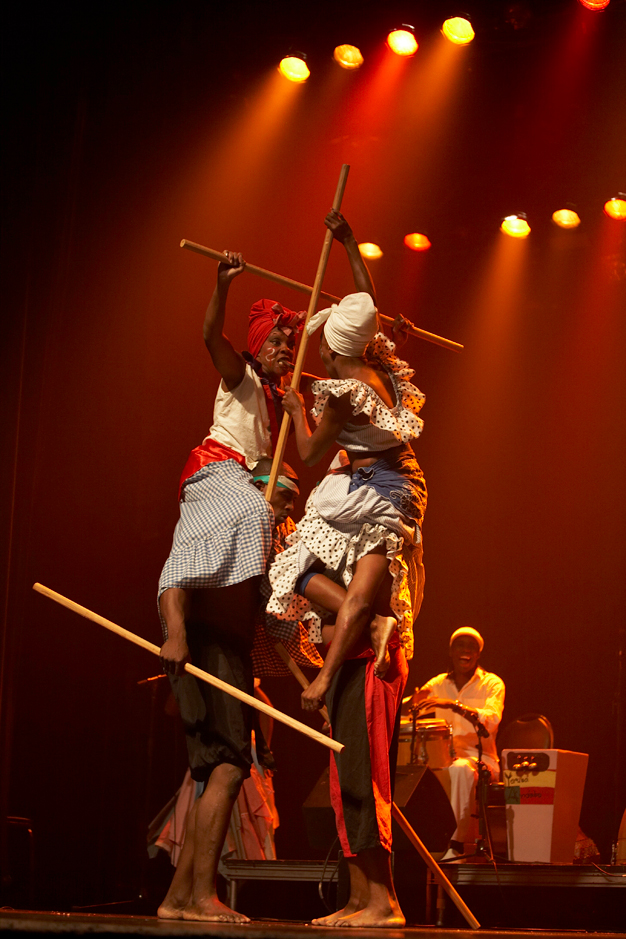
The Columbia is primarily a male-only demonstrative dance, with a more uptempo and complex rhythm that incorporates some of the Congolese ritual music aspects as well as the Bantú languages, still widely used in folkloric as well as popular music. It too is played on tumbadoras and the other noted percussion instruments, and also adds a bell that plays a complex 12/8-meter pattern on top of the 4/4-meter structure. Solo, traditionally male, dancers provoke the drummers, especially the player of the smallest drum (Quinto, here also soloist drum), to play complex rhythms that they imitate through their creative and sometimes acrobatic movements. Men may also compete with other men to display their agility, strength, confidence and even sense of humor. Columbia incorporates many movements derived from Congo dances as well as Spanish flamenco, and more recently dancers have incorporated breakdancing and hip hop moves. While only men typically dance columbia, there were (and are) famous women who stood out such as Andrea Baró, who is often the subject of columbia songs.

The structure of rumba songs has remained virtually the same since it first began. In the yambú and guaguancó styles, the claves begin the song, establishing the tempo with the distinct, five-note pattern (which is the heartbeat of most Cuban music as well as salsa). The remaining percussion instruments enter in layered fashion, and begin their repetitive patterns. The lead singer then sets the key with a series of scat-like vocalizations called the diana, followed by the verses of the song. The lead vocalist then initiates the call-and-response section and is responded to by the chorus while he/she improvises in between, and it is at this time that the dancing begins.

Los Muñequitos de Matanzas
Oyelos De Nuevo
Los Muñequitos de Matanzas

Almost the same structure holds true for the columbia, the difference being that many songs begin with the cowbell (and the claves are not always included), and columbia dancers dance solo instead of in couples. Traditional rumbas began to be recorded in Cuba much later after their emergence (around the 1950s), and the seminal group Los Muñequitos de Matanzas is one of the most significant folklore ensembles to take the genre around the world. In the past several decades there have been variations to the styles, instrumentation and dance, but despite its evolution, rumba continues as the ultimate expression of the Afro-Cuban way of life for all generations on (and off) the island.

According to Cuban percussionist, singer, composer and historian Gregorio ‘el Goyo’ Hernandez, who became widely accepted as a specialist in Cuban Rumba after his album “La Rumba Es Cubana: Su Historia” (2004, Unicornio No. 6004), Cuban Rumba Columbia has its origins in the drum patterns and chants of religious Cuban Abakuá traditions. Fact is that the ‘cáscara’ or ‘palito’ rhythm of Columbia, either beaten with two sticks on a piece of bamboo or on the rim of the congas, is the same as the one played in Abakuá chants, which is played with two small plaited rattles (‘erikundi’) filled with beans or similar objects. The drum patterns of the lowest conga drum is essentially the same in both Columbia and Abakuá as well.
LogoYorubaAndabo_letrasHorizontal(2)


Sources: Wikipedia; National Geographic; World Music; Afropop; Global Rhythm; Smithsonian Global Sound; IFE-ILE;

Books: Cuba and its Music: From the First Drums to the Mambo; Ned Sublette; Chicago Review Press, 2004

Bolding added by BAILA Society
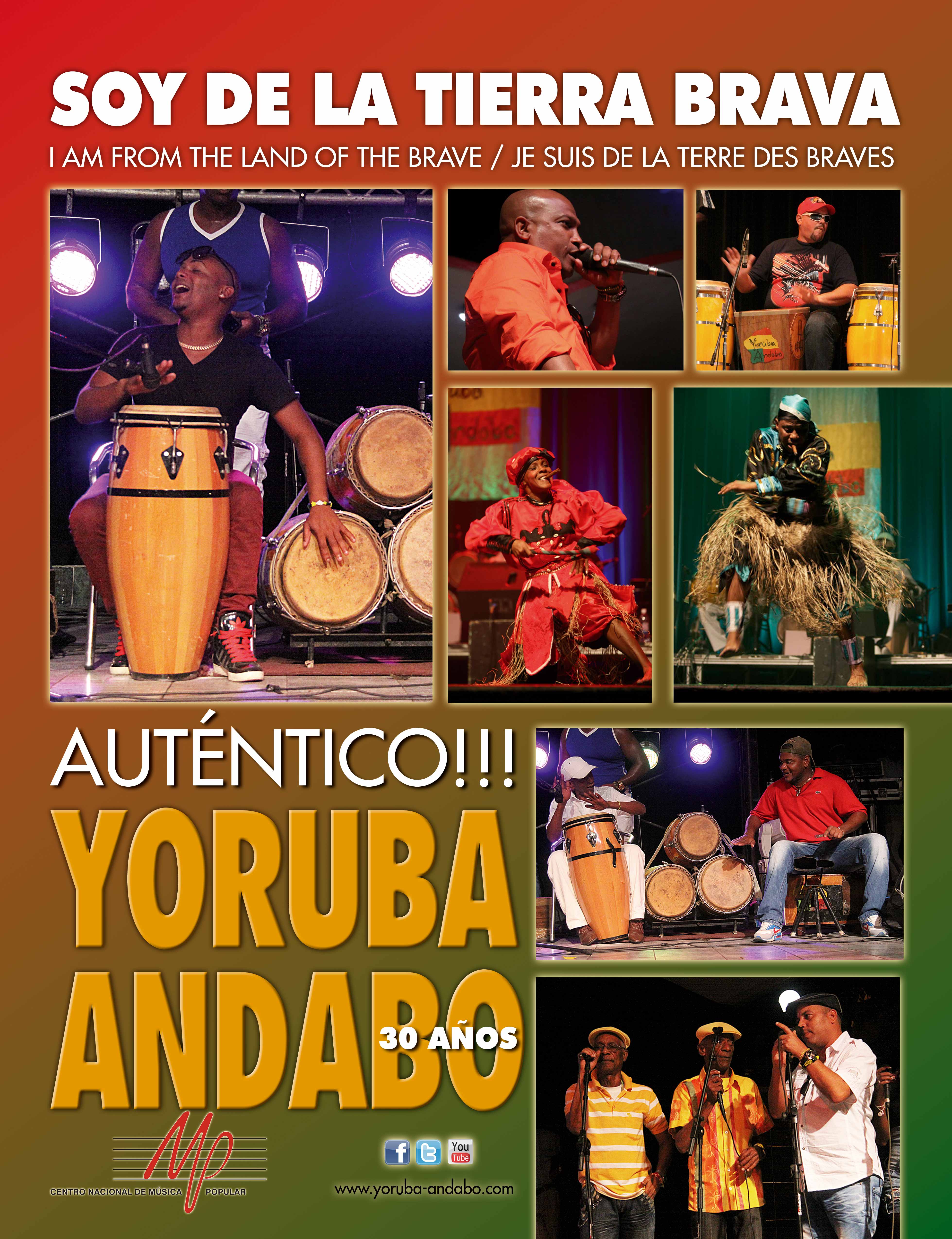
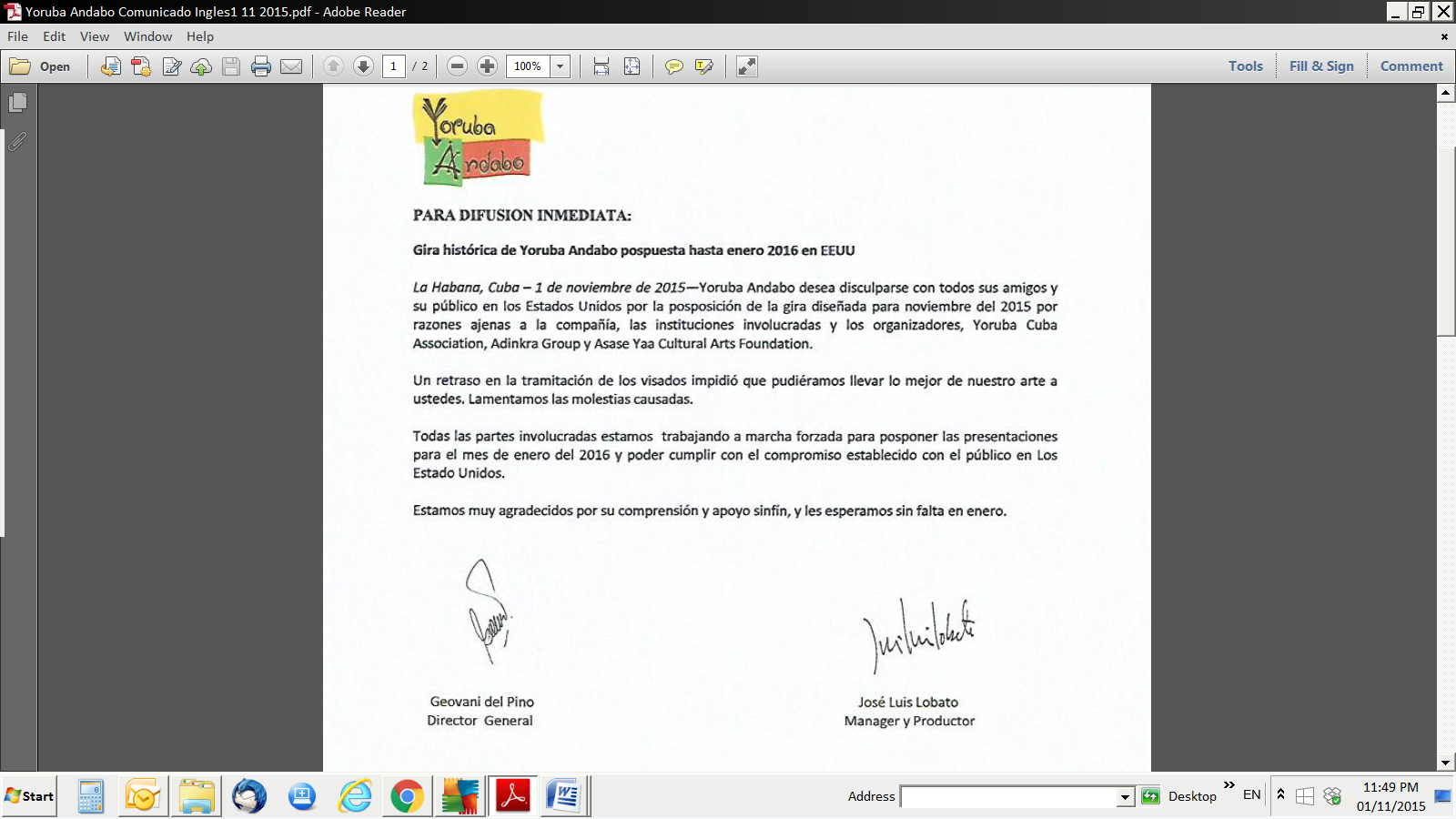
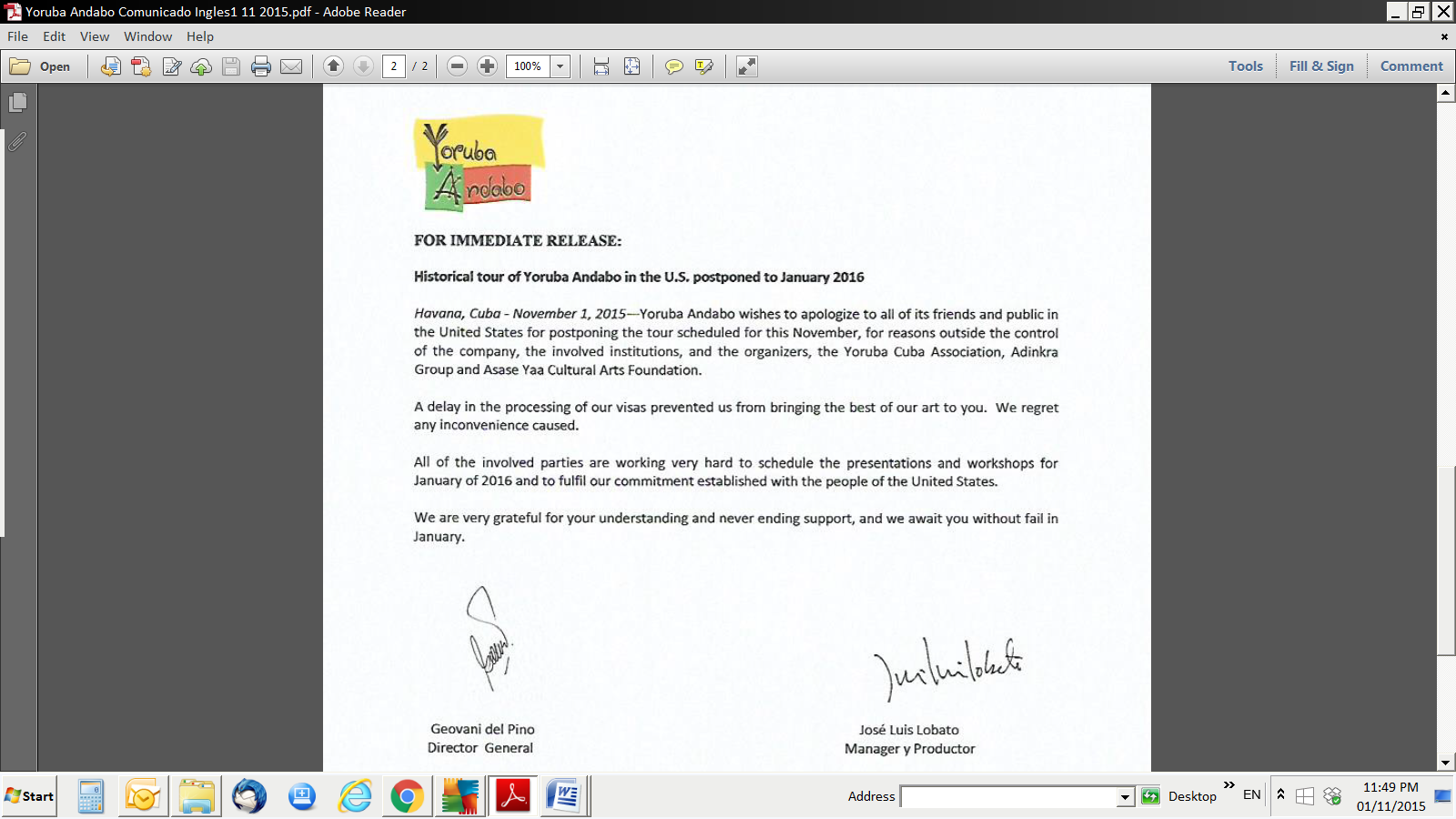
Historical tour of Yoruba Andabo in the U.S.A postponed to January 2016

PosterYAScreenshot 2015-11-01 23.49.31Screenshot 2015-11-01 23.49.11

Yoruba Andabo wishes to apologize to all its friends and public in the United States for postponing the tour scheduled for this November, for reasons beyond the control of the company, the involved institutions, and the organizers and promoters; The Yoruba Cuba Association, The Adinkra Group, and The Asase Yaa Cultural Arts Foundation.

A delay in the processing of our visas prevented us from bringing the best of our art to you. We regret any inconvenience caused.

All of the involved parties are working very hard to schedule the presentations and workshops for January 2016 and to fulfill our commitment established with the people of the United States.

We are very grateful for your understanding and never ending support, and we await you without fail in January.

Respectfully yours

Geovanni Del Pino – General Director

Jose Luis Lobato – Manager and Producer

cropped-posterya2.jpg

Yoruba Andabo desea pedir disculpas a todos sus amigos y público en los Estados Unidos para posponer la gira prevista para este mes de noviembre, por razones ajenas a la voluntad de la empresa, las instituciones involucradas, y los organizadores y promotores; La Asociación Yoruba Cuba, El Grupo Adinkra y La Fundación Cultural Arts Asase Yaa.

Un retraso en la tramitación de los visados nos impidió traer lo mejor de nuestro arte para usted. Lamentamos cualquier inconveniente causado.

Todas las partes involucradas están trabajando muy duro para programar las presentaciones y talleres para enero de 2016 y para cumplir con nuestro compromiso establecido con el pueblo de los Estados Unidos.

Estamos muy agradecidos por su comprensión y apoyo sin fin, y les esperamos sin falta en enero.

Respetuosamente tuyo

Geovanni Del Pino – Director General

José Luis Lobato – Director y Productor

Yoruba Andabo en el Teatro Artime en Miami! Corre la noticia!

http://miami.eventful.com/events/yoruba-andabo-/E0-001-086682584-4

yoruba-andabo-01

http://www.manuelartimetheater.com/pages/calendar/event_detail.asp?eventId=1911

Courtesy of Prensa Latina

http://multimedia.prensa-latina.cu/unanoticia.php?mmn=166

Founded in 1961, Yoruba Andabo enjoys a special rapport on and off the island, as is a true example of authenticity and versatility to take on folk and popular traditions, from the great diversity of Cuban culture.

With a hallmark, the cast grown dissimilar genres that make up the African roots on the island as the Congo, Yoruba, Abakuá and called Rumba complex, with its traditional rhythms, especially yambú cycles, guaguancó and columbia, creating contemporary sounds and voices.

The meaning of Yoruba Andabo (Courtesy of Ayvamusica.com)

http://www.youtube.com/watch?v=03I4bz-NWHI

artistyorubaFrom Ayva Musica

This name is nothing more than the conjugation of two words from African dialects. Yoruba is the name given to an extensive territory in southern Africa, inhabited by several nations and consequently their cultures. The word Andabo, in Carabalí language, means: friend, follower, admirer. Therefore, “Yoruba Andabo”, seeks to be something like “the friends, the admirers and followers of the yoruba lands and their cultures.”

This group had its genesis in the Havana Docks where, in 1961, a group of workers met and created what was known then as “Guaguancó Marítimo Portuario.” When they became professional, the group was re-baptized “YORUBA ANDABO” when, in 1986, they started working in a series of activities for and with the Union of Cuban Writers and Artists (UNEAC). These activities were organized by Cuban poet Eloy “The Ambia” Machado, who put the group in contact with singer and composer Pablo Milanés, who invited them to participate in the celebrations for the 25th Anniversary of the record company EGREM. From that moment on they started carrying out important work with folk singer Merceditas Valdés. In 1994, as they stepped into a new working stage, they adopted the name Folkloric Company YORUBA ANDABO.

The company is made up of seventeen artists, including singers, percussionists and dancers, and professionally performs the most important genres of both religious and profane music within the Africans roots of Cuban culture. This work includes:

• Congo Cycle where they do the three types of Palo, Makuta and Yuca singing, with instruments such as the Mula, Cachimbo and Caja drums, including the use of the Catá and the Aggogo.

• Yoruba Cycle ranging from singings and prayers, working with the Bata drums orchestra and the Chequeré, to the profane type of “Bembé” or “Güiro”, all of them with the Oricha dances such as: Elegguá, Oggún, Obbatalá, Yemayá, Babalú, Changó and Oyá.

• Abakuá Cycle including the liturgical singing and prayers, with the complex execution of the Tankomo drums and the colorful dances of the Iremes or “little devils”, symbolizing the spirit of the dead.

• The Rumba Cycle with this cycle YORUBA ANDABO specializes in rescuing the traditional rhythms as the Yambú, the Guaguancó, and the Columbia, performing them with the original instruments.

The company also offers workshops and seminars on Folkloric Percussion, Folk Dances and singing, Popular Percussion and Popular Dances. These educational activities are carried out by well known specialists who are members of our staff.
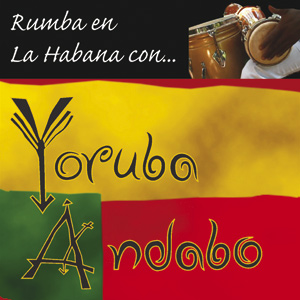
YORUBA ANDABO has performed on important national and international stages, such as the Mella, Karl Marx, América, Amadeo Roldán and Nacional Theaters; and the Tropicana, Capri, Parisién and Copa Room Night Clubs in Cuba, the Colón Theater in Colombia, the Harbourfront Centre in Toronto, ad the Aaron David Hall in New York City; they have participated in such important events as the Rumba Festivals, The Percussion Festivals (PERCUBA) and Golden Boleros in the island, the World of Music and Dance (WOMAD) in Canada, The International Arts Festival of Costa Rica, and the 15th Annual Expression International Festival in the United States, in the Tajin Summit 2001 Festival in Veracruz and in the 8th International Afro Caribbean Festival. They have also shared stages with personalities as Tata Güines, Pablo Milanés, Puntillita, Joe Arroyo, Celeste Mendoza, National Symphonic Orchestra conducted by Leo Brower, Lázaro Ros, Gonzalito Rubalcava and the Niche Band, Olodum Group, Oaxaca´s Dancing Devils, among others. Yoruba Andabo won the Latin Grammy Award in 2001, in the Folkloric Music Category, for its participation in the CD “La Rumba Soy Yo”, and was finalist at Latin Grammy Award in 2006, in the Folkloric Music Category, for its participation in the CD “Rumba en La Habana con…”
www.myspace.com/yorubandabo

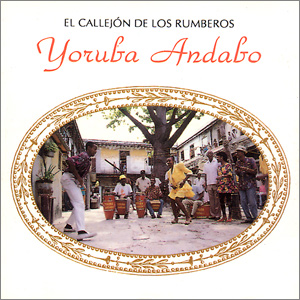
cdyorubacallejoncdyorubarumbahttp://www.ayvamusica.com/artists/yoruba-andabo/

Yoruba Andabo en el Alameda

From the Venezuelan newspaper “Today Venezuela”

http://hoyvenezuela.info/yoruba-andabo-en-el-alameda/

yorubahttp://https://www.youtube.com/watch?v=mI26Yd240cs

#yorubaandabo

A photo posted by juan carlos (@jcarlos332) on May 19, 2015 at 10:18am PDT

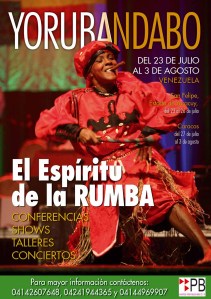
The spirit of the rumba is the name of the show today at 5:00 pm, will present the Cuban group Yoruba Andabo in the Alameda Theater, located in the parish of St. Augustine.

This will be the third concert offered by the group, since his arrival in Venezuela last July 23 for the second time this year. The first of the presentations was in the state Yaracuy, where they released to the Venezuelan people, a rumba-time version of the song popularized by Ruben Blades, Maria Lionza.

The second presentation took place in the mountains of Sorte, there they sang the theme that will be contained in the next album from this company born 30 years ago to the goddess. “It was a very beautiful thing in the magic and atmosphere that was created who welcomed us and explained that this (Maria Lionza) is a representation of one of the goddesses of Afro-Cuban mythology, the goddess Oshun,” said manager Company and producer Jose Lobato, in an interview with CCS City.

About his upcoming show at the Alameda Theatre, Lobato said the entire group is very excited and with great expectations after a tour of the parish of St. Augustine.

“There is a wonderful atmosphere, the audience knows the work of Yoruba Andabo long and joyfully await us,” he said.

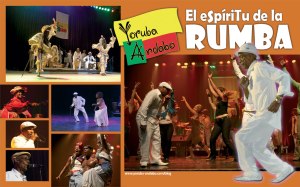
Within the repertoire will present the items on his latest album, also titled The Spirit of the rumba and “one box with the Yoruba Orishas African Pantheon”, the Congo and Abacuá.

The manager also said on Sunday presented his show, this time in the Juan Bautista Plaza Room of the National Library at 2:00 pm.

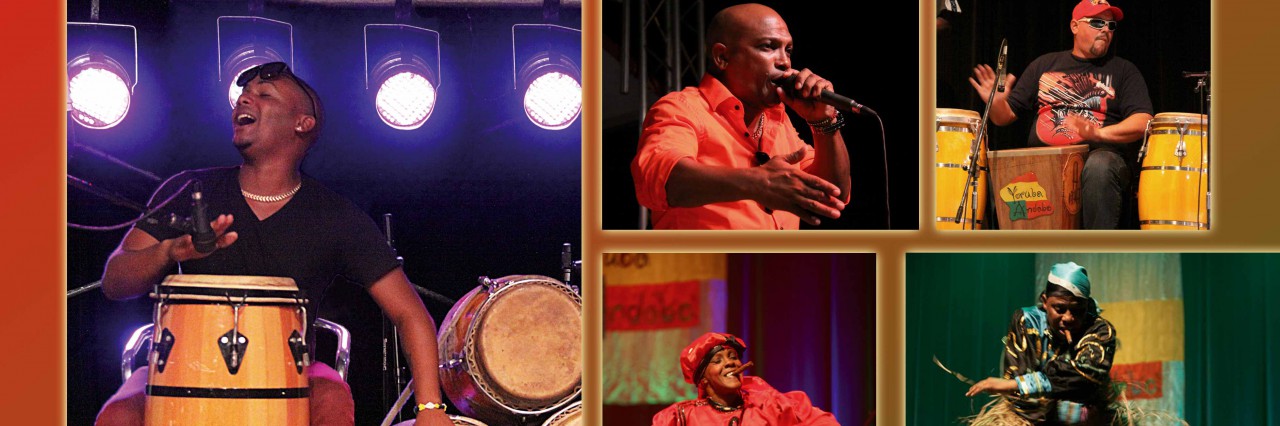
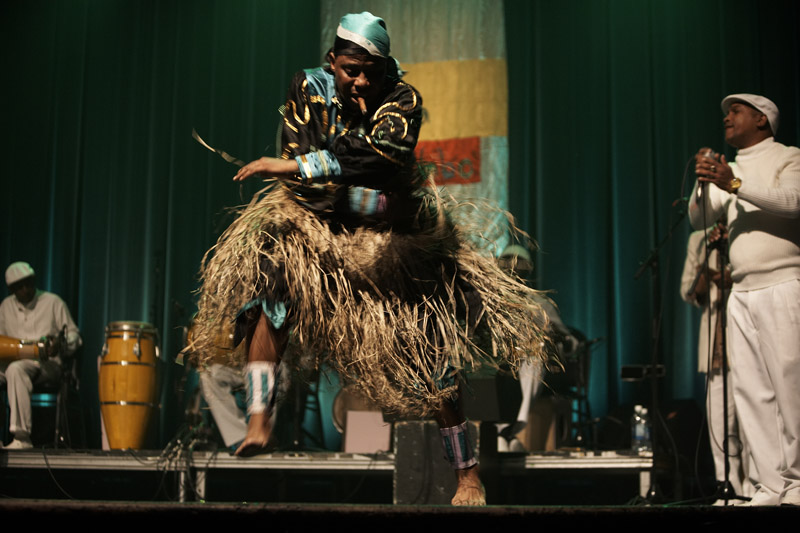
Andabo Yoruba consists of six musicians, five percussionists and two dancing couples onstage ranging from 19 to 77 years old, spreading the congo beats, Abacuá and rumba, with the dances that make up the Cuban popular expressions.

In this regard, he said Lobato defend their culture is one of the most important work they do as a group. “The defense of the identity of the Americas by promoting respect for indigenous values, does not mean they are static, in contrast, continue to evolve with new rhythms, with a new approach, but always letting us know where we come” , he said.

Yoruba Andabo has presented its show at important venues in countries like France, the United States, among others.

Ciudad CCS

Hello World, the blog of Yoruba Andabo begins!

cropped-Yoruba-Andabo-promotion-Venezuela-summer-2015.jpg posterWebEspanol (2)DESIGN-Logo-Yoruba-Andabo

Yoruba Andabo is a Cuban band and a talented company of 16 singers, percussionists and dancers, performing sacred W Original African music is preserved as it has-been interpreted locally, after it HAD Been Brought there by slaves in the late 16th century. The ensemble Takes African ITS name from two words loosely translated as “the friends and followers of the Yoruba lands and culture.”

The Company HAD ITS genesis in the docks of the port of Havana in 1961. When workers trade union Gathered at parties and art istic events. This Brought about the emergence of the Maritime Port Guaguancó ensemble in 1985 Began That ITS professional work under the name Yoruba Andabo. From That moment on, the music group has-been performing at different activities organized by the Cuban Union of Writers and Artists (UNEAC). Yoruba Andabo have worked With the Cuban record label EGREM, at the initiative of the composer and singer Pablo Milanes, and shared the stage With folk singer Merceditas Valdes.

The Company is Currently Composed of 16 artists Including singers, percussionists and
dancers. Yoruba Andabo cultivars distinct musical genres from the African
roots of Cuban culture That includes Congo, Yoruba, Abakuá cycles and the so called
complex call of the Rumba With its traditional rhythms, Especially the Yambú, Guaguancó and Columbia rhythms. Also there are elements of fusion crossover With other musical genres, just thus creating contemporary voices and sounds.

The skilled artists from the Company are professional and accredited instructors and offer master classes, lectures and workshops on singing, dance and percussion. They are motivated by a wide ranging musical repertoire interwoven with unique and exceptional choreographies Which grows year after year in a profound and meticulous way.

LogoYorubaAndabo_letrasHorizontal (2)cropped-cropped-posterwebenglish-22.jpg

Yoruba Andabo’s art has-been appreciated by audiences at many public places and Well Known theaters around the world. From Canada, Brazil, the Caribbean, Colombia, Spain, Mexico, Geneva, Paris, and London, Yoruba Andabo have even sold out and Performed at the famed Carnegie Hall in New York City. ‘

[Embed] http: // http: //youtu.be/aFsWCwg0AnU [/ embed]

The Spirit of Rumba – Buy Now!

LogoYorubaAndabo_letrasHorizontal (2)DESIGN-Logo-Yoruba-Andabo

Yoruba Andabo is a Cuban band and a company of 16 singers talented percussionists and dancers performing music of West Africa sacred original preserved as interpreted locally, after being taken there by slaves in the late 16th century group takes its name from two African words loosely translated as “the friends and followers of Yoruba land and culture.”

Resume
The Company has its genesis in the docks of Havana in 1961, when a group of workers gathered at parties and union artistic events. They gave rise to Guaguancó Maritime Port, whole, in 1985, he began a professional career with the name of Yoruba Andabo.
From that moment, he offered his art in various activities of the Union of Writers and Artists of Cuba (UNEAC) He worked with the record label EGREM, initiated by the composer and singer Pablo Milanes, and shared the stage with folk singer Merceditas Valdes.
Currently, the company integrated 16 artists, singers, drummers and dancers. The cast grown dissimilar genres that make up the African roots of Cuban culture and include losciclos Congo, Yoruba, Abakuá and called the rumba, with its traditional rhythms, especially yambú, guaguancó and Columbia, but also They include elements of fusion with other musical genres, creating contemporary sounds and voices.
Several Andabo Yoruba artists unfold as teachers and teach master classes and workshops in singing, dancing and drumming. Motivates them wide repertoire interwoven with unique choreographies that grows each year of deep and thorough manner.

The Spirit of Rumba – Buy Now
discography Yoruba Andabo exceeds twenty titles, many of which have won awards nationally and internationally.
He conquered a Juno Award, the Canadian equivalent of the American Grammy Award nominations from the Academy of Music Spain and a shared and two nominations for the Latin Grammy.
Andabo Yoruba art has been appreciated by audiences of important places and scenes from Canada, Brazil, the Caribbean, Colombia, Spain, Mexico, Geneva, Paris, London and the famed Carnegie Hall in New York.

Hello world!

posterWebEspanol (2)LogoYorubaAndabo_letrasHorizontal (2)cropped-cropped-posterwebenglish-22.jpg

The Company had its genesis in the docks of the port of Havana in 1961, when workers gathered at trade union parties and artistic events. This brought about the emergence of the Guaguancó Marítimo Portuario ensemble that in 1985 began its professional work under the name Yoruba Andabo. From that moment on, the music group has been performing at different activities organized by the Cuban Union of Writers and Artists (UNEAC). Yoruba Andabo has worked with the Cuban record label EGREM, at the initiative of the composer and singer Pablo Milanes, and shared the stage with folk singer Merceditas Valdes.

The Company is currently composed of 16 artists including singers, percussionists anddancers. Yoruba Andabo cultivates distinct musical genres from the Africanroots of Cuban culture that includes Congo, Yoruba, Abakuá cycles and the so calledcomplex call of the Rumba with its traditional rhythms, especially the Yambú, Guaguancó and Columbia rhythms. There are also crossover elements of fusion with other musical genres, thus creating contemporary voices and sounds.

The skilled artists from the Company are professional and accredited instructors and offer master classes, lectures and workshops on singing, dance and percussion. They are motivated by a wide ranging musical repertoire interwoven with unique and exceptional choreographies  which year after year grows in a profound and meticulous way.

Yoruba Andabo’s art has been appreciated by audiences at many well known public places and theaters around the world.  From Canada, Brazil, the Caribbean, Colombia, Spain, Mexico, Geneva, Paris, and London, Yoruba Andabo has even sold out and performed at the famed Carnegie Hall in New York City.

Oggunyoruba andabo conciertoastral_205artistyorubacdyorubacallejon

Yoruba Andabo es una banda cubana y una compañía de 16 cantantes talentosos percusionistas y bailarines, interpretando música de África Occidental sagrado original, conservado como se ha interpretado de forma local, después de haber sido llevado allí por los esclavos a finales del siglo 16. El conjunto toma su nombre de dos palabras africanas traducido libremente como “los amigos y seguidores de las tierras y la cultura Yoruba.”

Hoja de Vida
La Compañía tiene su génesis en los muelles del puerto de La Habana, en 1961, cuando un grupo de trabajadores se reunía en fiestas y eventos artísticos sindicales. Ellos dieron origen al Guaguancó Marítimo Portuario, conjunto que, en 1985, inició una labor profesional con el nombre de Yoruba Andabo.
A partir de ese momento, ofreció su arte en diversas actividades de la Unión de Escritores y Artistas de Cuba (UNEAC), trabajó con la firma discográfica EGREM, por iniciativa del compositor y cantante Pablo Milanés, y compartió la escena con la cantante folclórica Merceditas Valdés.
Actualmente, integran la compañía 16 artistas, entre cantantes, percusionistas y bailarines. El elenco cultiva los disímiles géneros musicales que conforman las raíces africanas de la cultura cubana y que incluyen losciclos Congo, Yoruba, Abakuá y el llamado complejo de la rumba, con sus tradicionales ritmos, especialmente el yambú, el guaguancó y la columbia, pero también incluyen elementos de fusión con otros géneros musicales,creando voces y sonidos contemporáneos.
Varios artistas de Yoruba Andabo se desdoblan como maestros e imparten clases magistrales y talleres de canto, danza y percusión. Les motiva el amplio repertorio musical imbricado con singulares coreografías que crece cada año de manera profunda y minuciosa.
La discografía de Yoruba Andabo supera la veintena de títulos, muchos de ellos premiados nacional e internacionalmente.
Conquistó un premio Juno, equivalente canadiense de los Grammy norteamericanos, nominaciones a los premios de la Academia de la Música de España y un premio compartido y dos nominaciones a los Grammy Latinos.
El arte de Yoruba Andabo ha sido apreciado por públicos de importantes plazas y escenarios de Canadá, Brasil, el Caribe, Colombia, España, México, Ginebra, París, Londres y en el afamado Carnegie Hall de la ciudad de Nueva York.

DESIGN-Logo-Yoruba-Andabo