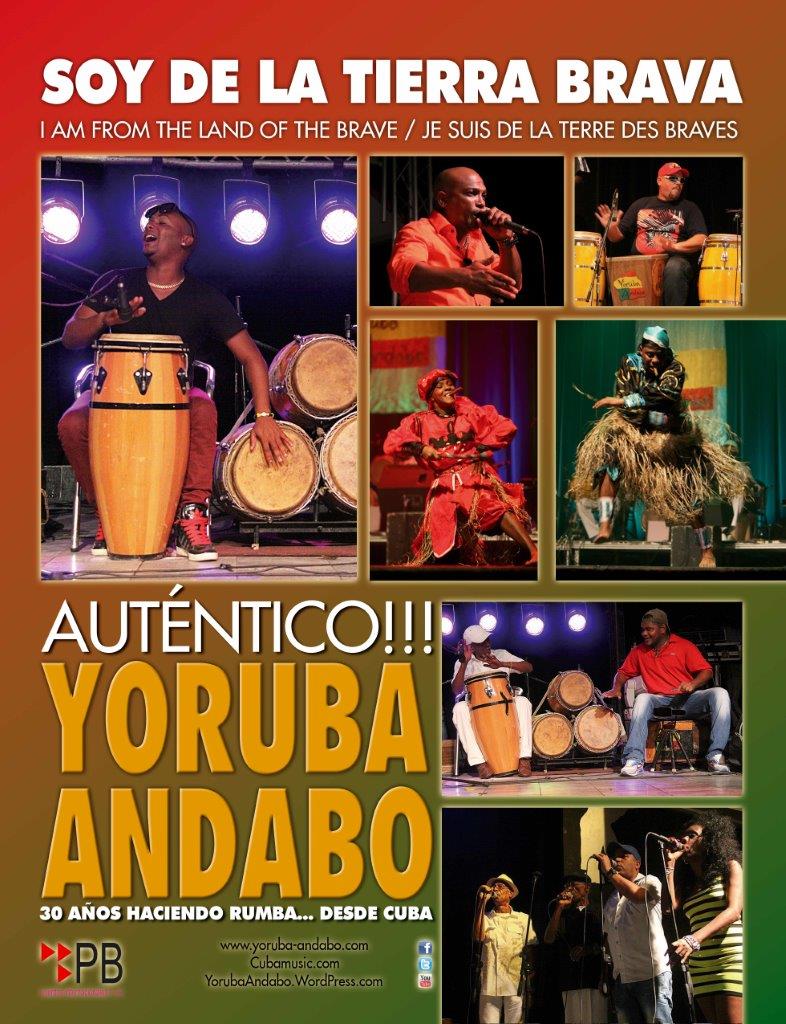
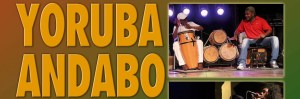
YORUBA ANDABO EN VENEZUELA
CELEBRANDO SUS 30 AÑOS
PROXIMO FIN DE SEMANA (6 AL 8 NOVIEMBRE)
MÁS DETALLES A SEGUIR!
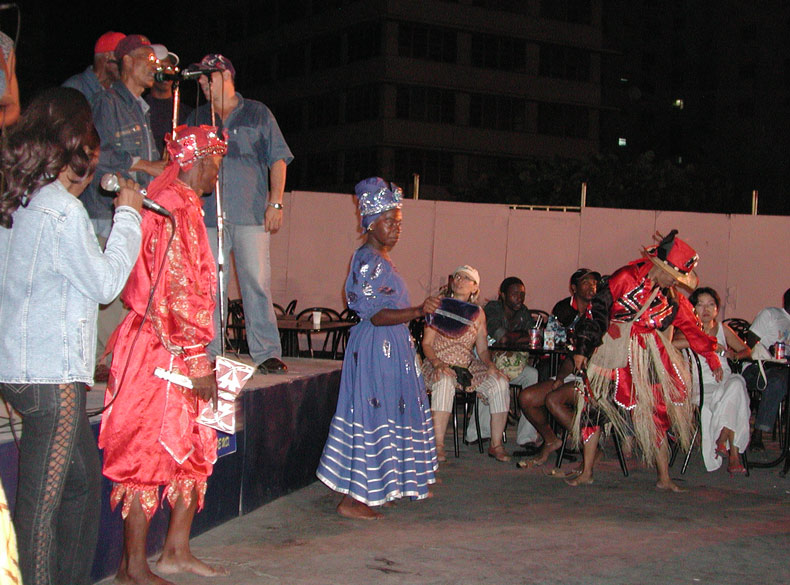
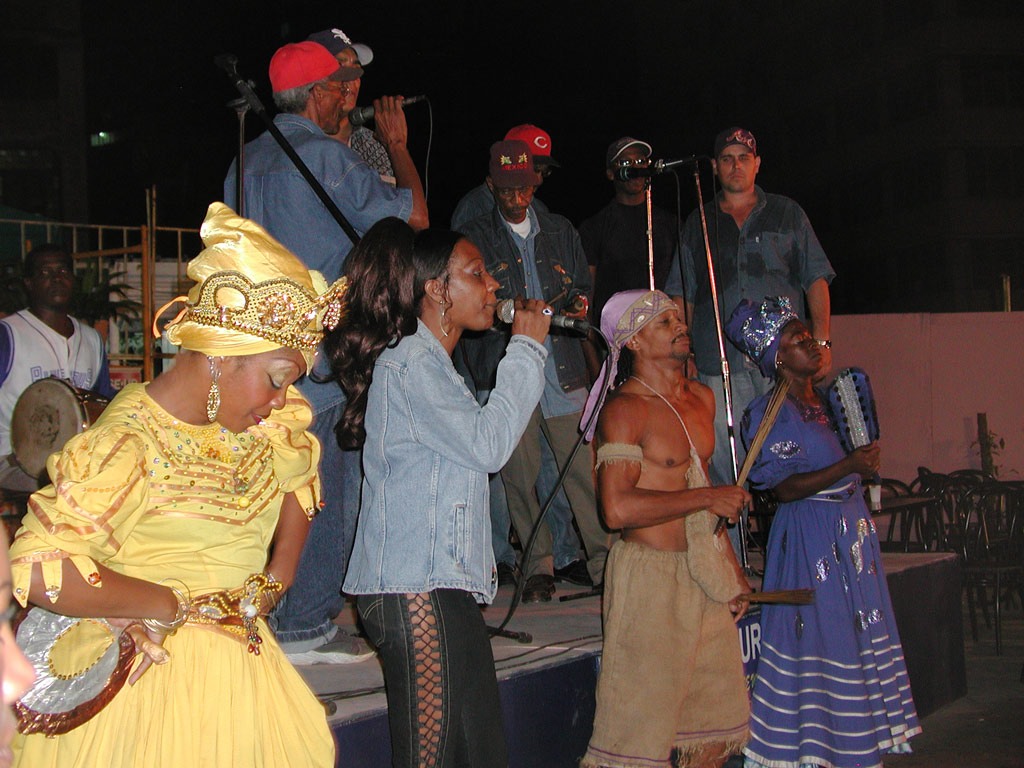
YORUBA ANDABO IN VENEZUELA
CELEBRATING 30 YEARS
NEXT WEEKEND (6 TO 8 NOVEMBER) MORE DETAILS TO FOLLOW!
YORUBA ANDABO EN VENEZUELA
CELEBRANDO SUS 30 AÑOS
PROXIMO FIN DE SEMANA (6 AL 8 NOVIEMBRE)
MÁS DETALLES A SEGUIR!
YORUBA ANDABO IN VENEZUELA
CELEBRATING 30 YEARS
NEXT WEEKEND (6 TO 8 NOVEMBER) MORE DETAILS TO FOLLOW!
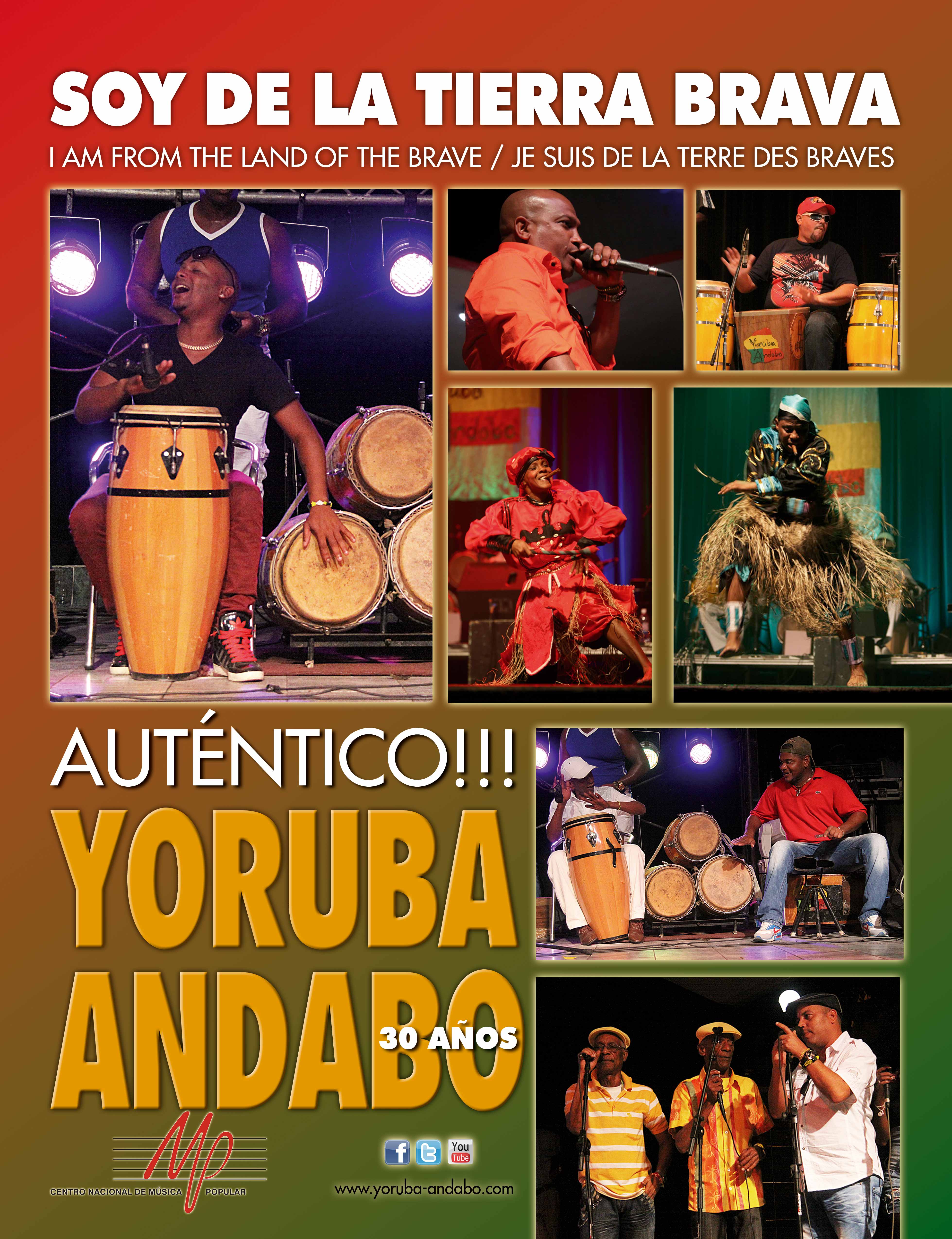
Yoruba Andabo wishes to apologize to all its friends and public in the United States for postponing the tour scheduled for this November, for reasons beyond the control of the company, the involved institutions, and the organizers and promoters; The Yoruba Cuba Association, The Adinkra Group, and The Asase Yaa Cultural Arts Foundation.
A delay in the processing of our visas prevented us from bringing the best of our art to you. We regret any inconvenience caused.
All of the involved parties are working very hard to schedule the presentations and workshops for January 2016 and to fulfill our commitment established with the people of the United States.
We are very grateful for your understanding and never ending support, and we await you without fail in January.
Respectfully yours
Geovanni Del Pino – General Director
Jose Luis Lobato – Manager and Producer
Yoruba Andabo desea pedir disculpas a todos sus amigos y público en los Estados Unidos para posponer la gira prevista para este mes de noviembre, por razones ajenas a la voluntad de la empresa, las instituciones involucradas, y los organizadores y promotores; La Asociación Yoruba Cuba, El Grupo Adinkra y La Fundación Cultural Arts Asase Yaa.
Un retraso en la tramitación de los visados nos impidió traer lo mejor de nuestro arte para usted. Lamentamos cualquier inconveniente causado.
Todas las partes involucradas están trabajando muy duro para programar las presentaciones y talleres para enero de 2016 y para cumplir con nuestro compromiso establecido con el pueblo de los Estados Unidos.
Estamos muy agradecidos por su comprensión y apoyo sin fin, y les esperamos sin falta en enero.
Respetuosamente tuyo
Geovanni Del Pino – Director General
José Luis Lobato – Director y Productor
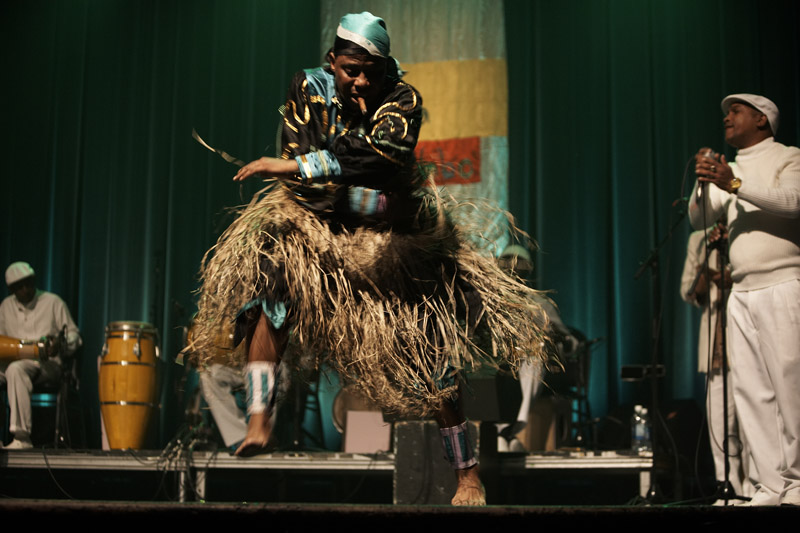
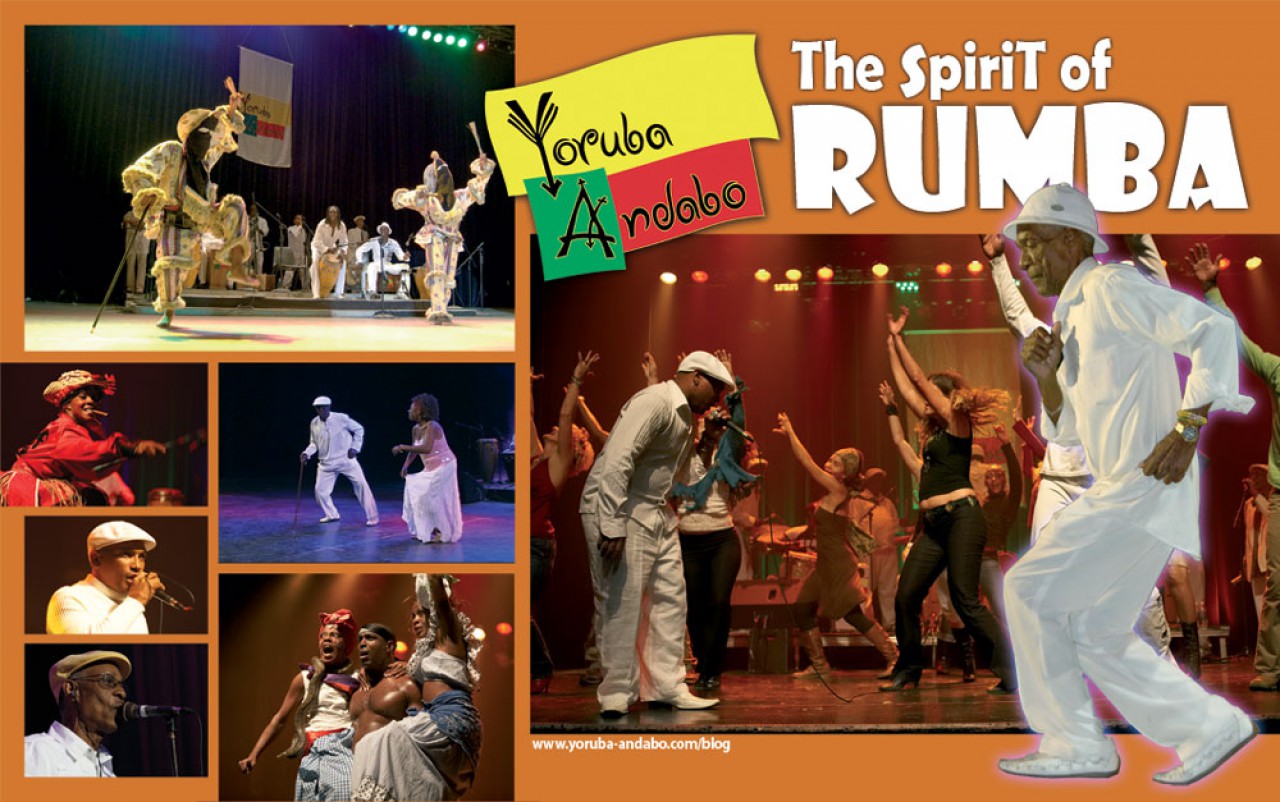
Rumba is Cuban and without Cuba, there is no Rumba. As simple as that! Come and enjoy the rumba experience with Yoruba Andabo!
“The possibility of experiencing a night with Yoruba Andabo was a unique one.Unique since one can witness an incredible reunion between something sacred,mystic and an atavistic and inborn sense of partying. The audience was transported to a separate world, a world of intense colors, of full joy and beauty.If the roots are, undoubtedly African and ancient, the charm of today’s musicisan authentic wonder…”
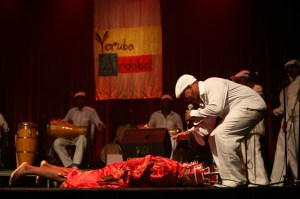
The Yoruba Andabo Company was born on the piers of the port of Havana in 1961 when a group of laborers would get together for parties and artistic events through their union. They gave rise to the Guaguanco Marítimo Portuario, a group which, in 1985, began their professional career with the name Yoruba Andabo. From that time forward, they have offered their art as…
View original post 170 more words
 Este importante encuentro e intercambio entre sonidos afrocaribeños es promovido por el Ministerio del Poder Popular para la Cultura, la Fundación Teatro Teresa Carreño, el Fondo Cultural del Alba y la Embajada de Cuba
Source: Yoruba Andabo with Coffee and Panela be presented at the Teresa Carreno | Correo del Orinoco
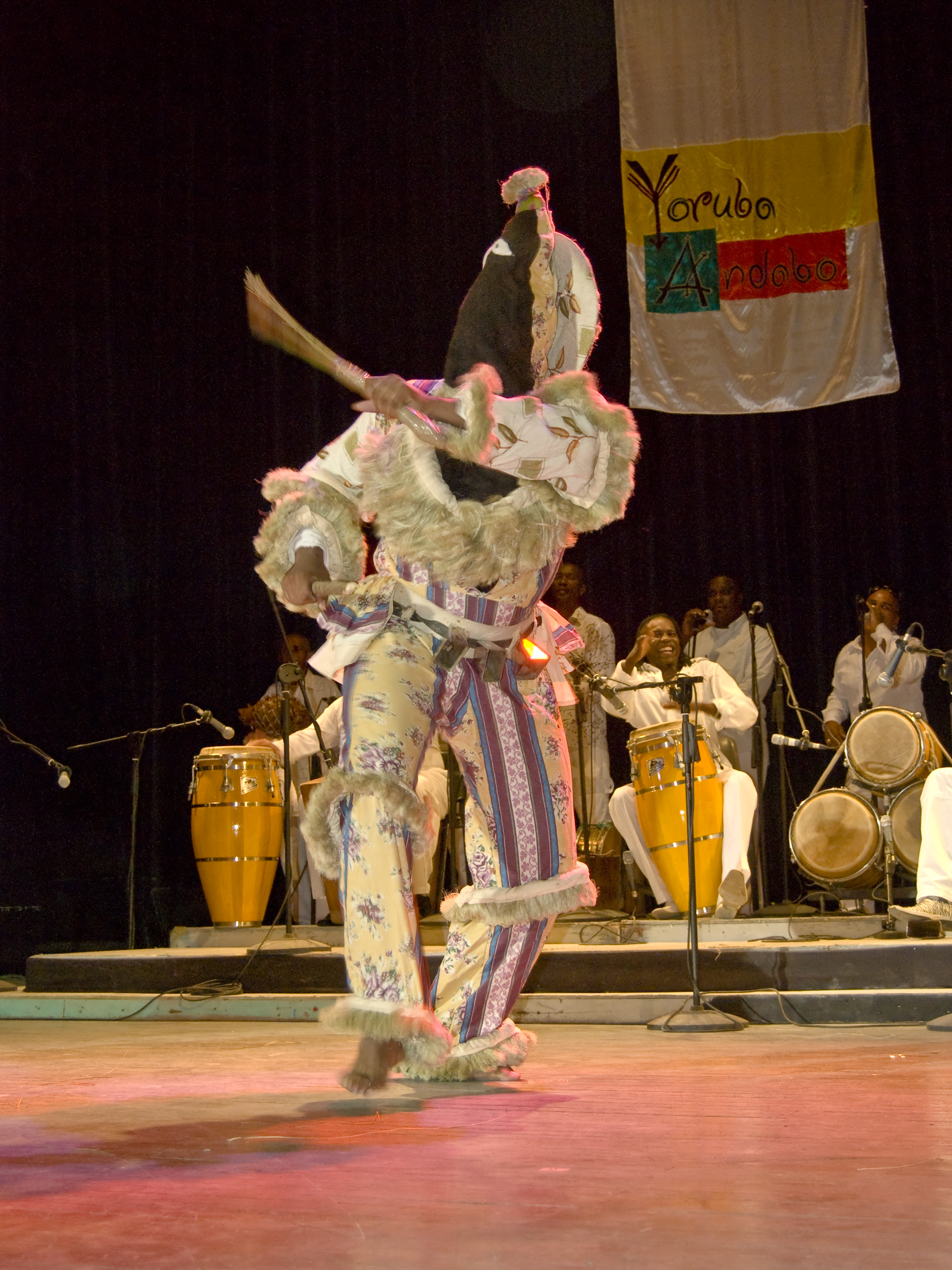
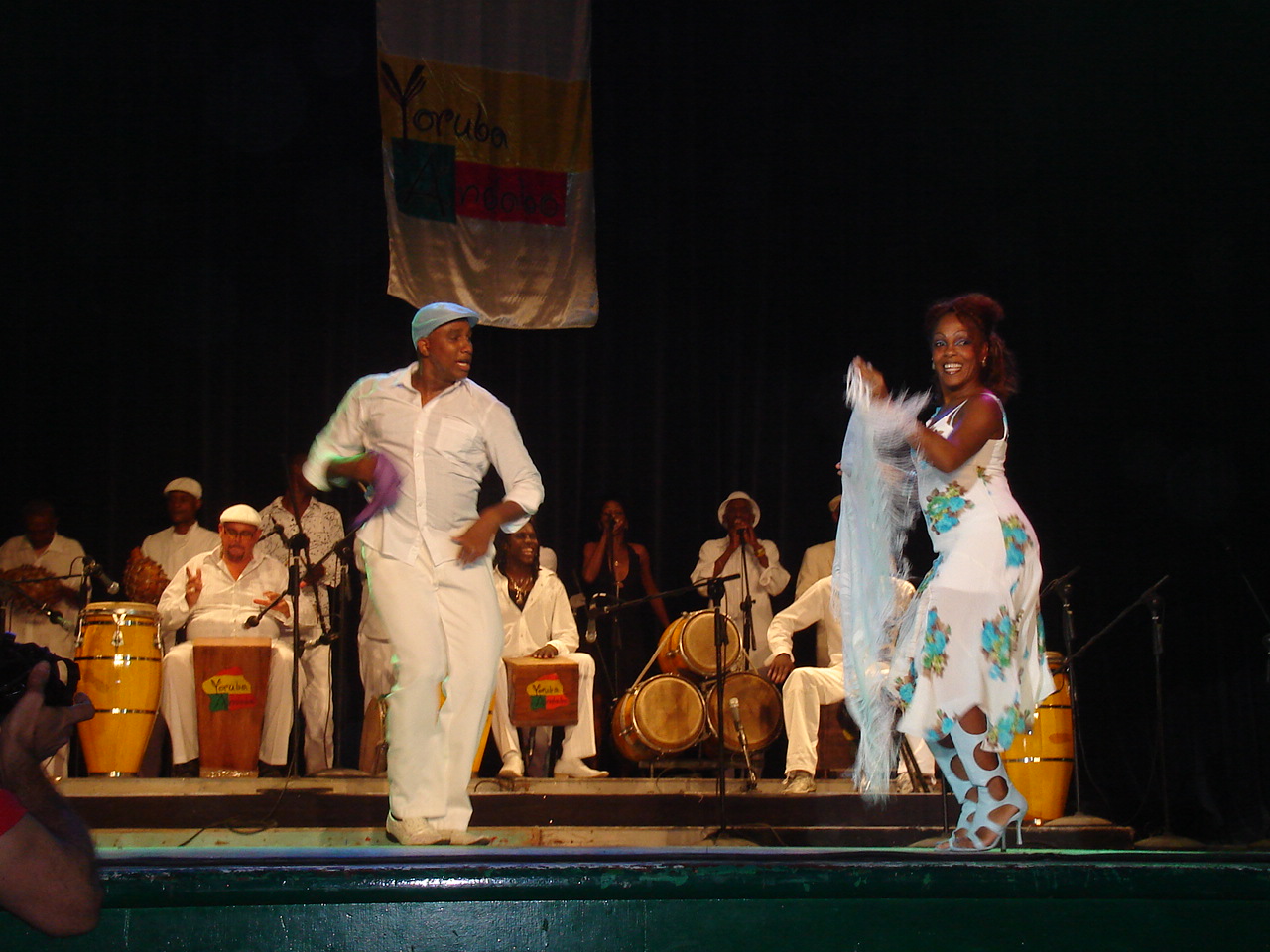
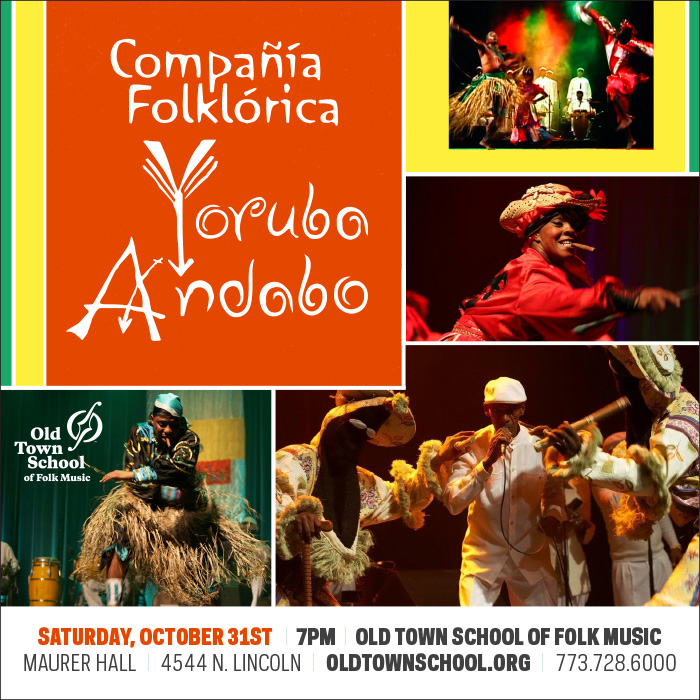
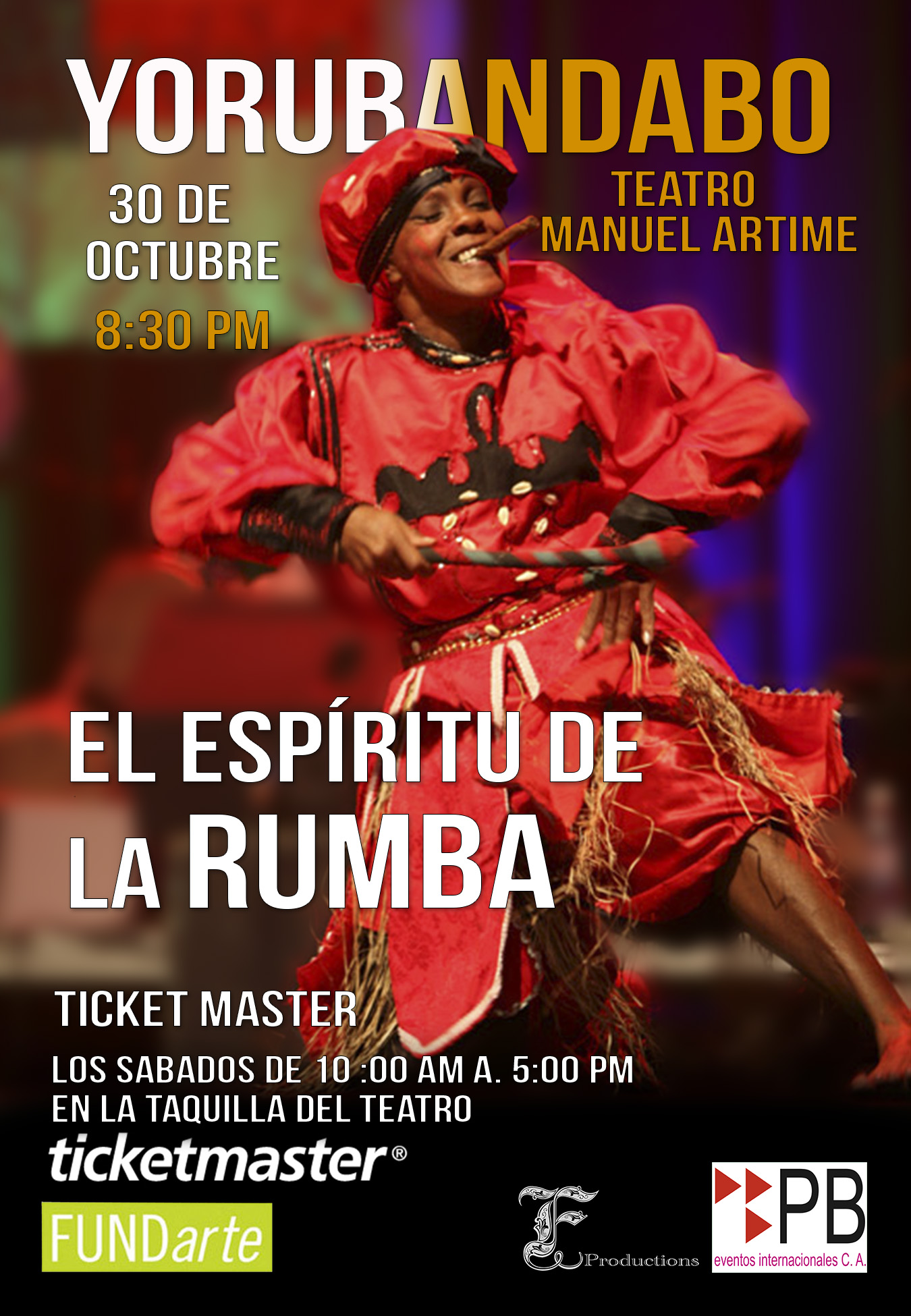 Courtesy of and by The Adinkra Group
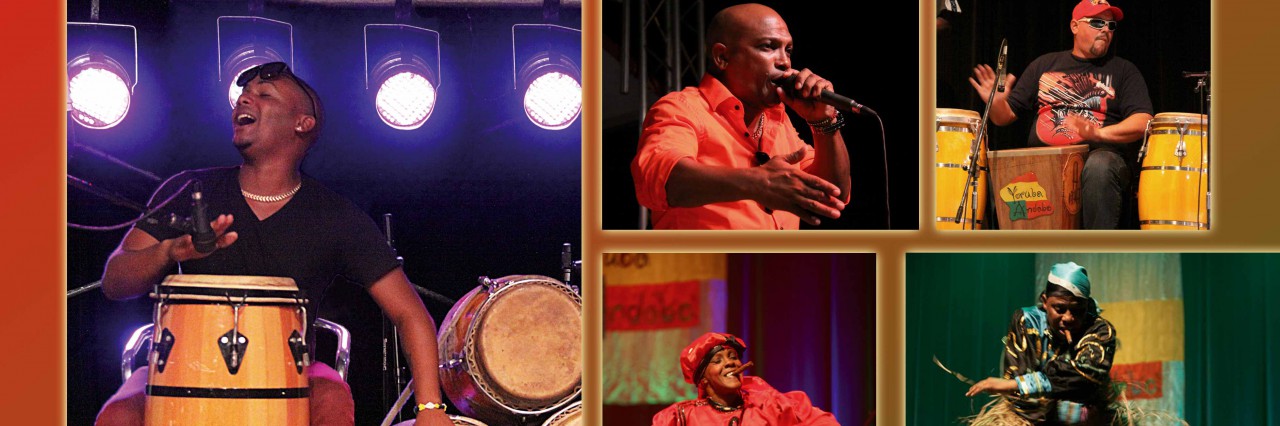
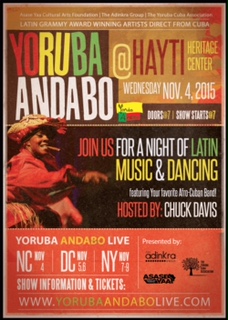
The Adinkra Group and Asase Yaa Cultural Arts Foundation, in partnership with the Yoruba Cuba Association, will present the legendary Afro Cuban band and Rumba masters, YORUBA ANDABO, for four newly added shows on its U.S. tour.
Celebrating 30 years of Afro Cuban culture, the internationally acclaimed band, live and direct from Cuba, will perform live in Durham, NC; Washington, DC; and New York City. They will conduct master classes and workshops on select dates, as well.
For tickets and more information, go to www.YourbaAndaboLive.com
Wednesday, November 4, 2015 – Concert
Hayti Heritage Center
804 Old Fayetteville Street
Durham, NC 27703
7:00 PM
—————————
Thursday, November 5, 2015 – Master Classes
Adinkra Cultural Arts Studio
3802-3808 34th Street
Mt. Rainer, MD 20712
6:30 PM
Drum, dance, and song workshops
—————————
Friday, November 6, 2015 – Concert
George Washington University’s Lisner Auditorium
730 21st Street, NW
Washington, DC 20052
7 PM
International Dance Party (After-Party)
DJ’s Jahsonic, Underdog, and Special Guests Yoruba Andabo
Cafe Asia
1720 I Street, NW
Washington, DC 20006
10 PM (Free with concert ticket stub before 11 PM)
—————————
Saturday, November 7, 2015 – Workshops
Asase Yaa Cultural Arts Foundation
1803 Fulton Street
New York, NY 11233
6:30 PM
Drum, dance, and song workshops
—————————
Sunday, November 8, 2015 – Rumba Dance Party
S.O.B.s
204 Varick Street
New York, NY 10014
8 PM
—————————
Monday, November 9, 2015 – Concert
Symphony Space
2537 Broadway
New York, NY 10025
8 PM
Co-presented by Ayanda Clarke of The Fadara Group and AKILA WORKSONGS, Inc.
Community Partner: Caribbean Cultural Center African Diaspora Institute (CCCADI).
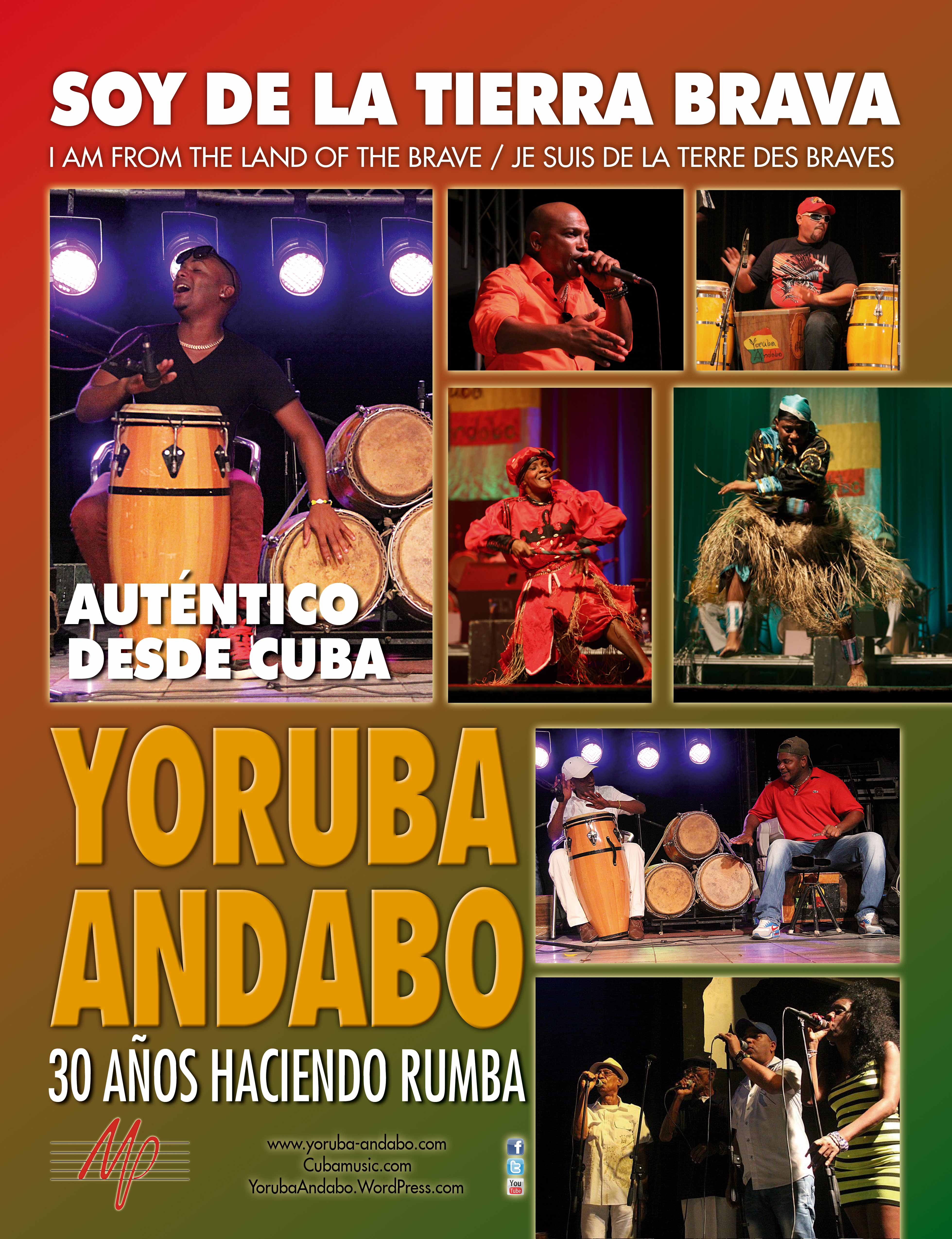
Yoruba Andabo se presentará el domingo 18 de octubre en el célebre teatro Teresa Carreño, en la ciudad de Caracas, Venezuela. Estrenará temás musicales de su nuevo album titulado Soy de la Tierra Brava.
Yoruba Andabo interpretará La Gozadera, tema musical del filme Havana Instant, en el cierre del concierto que brindara el domingo 18 de octubre en el célebre teatro Teresa Carreño, en la ciudad de Caracas, Venezuela.
nota: Zair/TELESUR grabará el lunes 12 octubre, un programa From Havana sobre Yoruba Andabo y cubrirá el concierto del domingo… Puede haber link con TeleSur!!
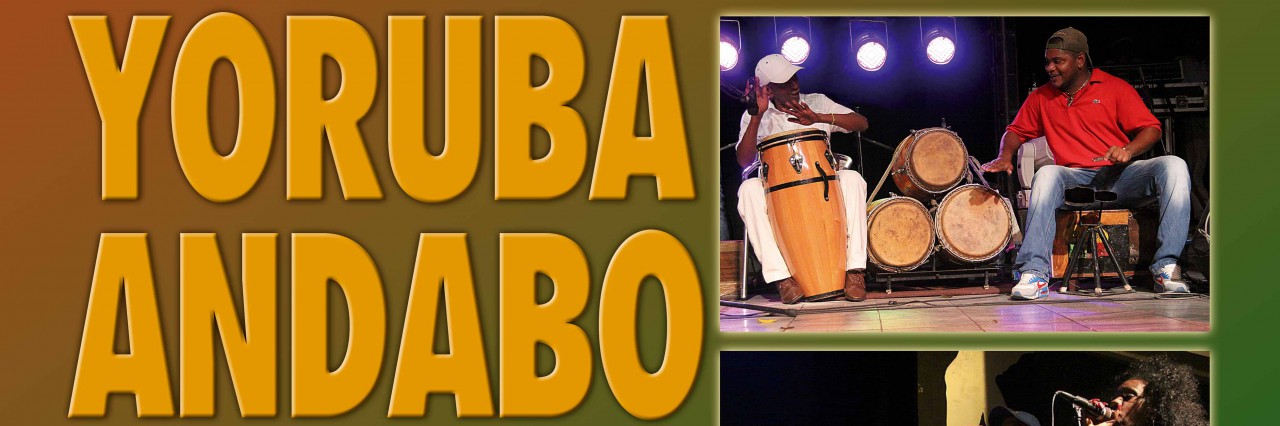
Yoruba Andabo will present a concert on Sunday, October 18th, at the famous Teresa Carreño theater in Caracas, Venezuela. We will be be performing the released tracks from our new album entitled” I am from the Land of the Brave.”
The Yoruba Anadabo group will also play the ” Gozadera”theme song of the film Havana Instant, at the close of the concert that is being offered on Sunday, October 18th at the famous Teresa Carreño theater in Caracas, Venezuela.
Note: Zair / Telesur will play on Monday, 12 October, on the program “From Havana” and it will cover the Yoruba Andabo concert of this Sunday …you may watch by linking with Telesur !!
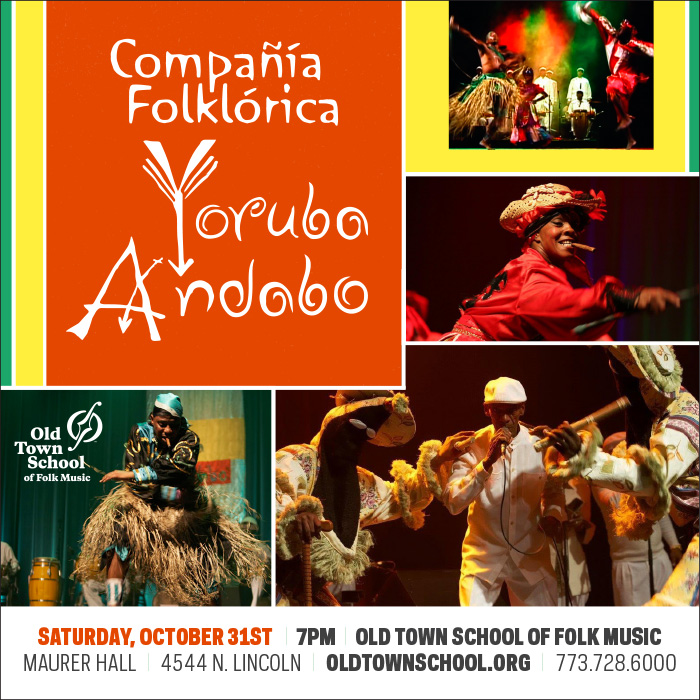
One hour east of Havana lies the port city of Matanzas, where rumba emerged in the late 19th century. Brought to Cuba by Africans who were transported to the island to work as slaves, rumba was created around a flamboyant and boisterous combination of Congolese-derived drumming styles and Spanish flamenco-singing influences. It has grown to become one of Cuba’s most important Afro-Cuban dance and music genres.
The rhythms of rumba have given rise to three very different forms of dance. Yambú is the oldest and slowest; it is rarely performed today. Guaguancó is a flirtatious dance, performed by couples. Columbia, the fastest and most athletic, is performed by a male dancer.
By the mid-20th century, rumba was merging with son to form the precursor of salsa. To many, rumba is more than a music and dance genre; it is the collective expression of the Creole nature of the island itself
The music of Cuba is largely based on its cultural origins in Europe and Africa. The arrival on the island of thousands of African slaves over the course of three hundred years created a wealth of new musical forms. Deeply rooted in African rhythms, the country’s distinctive music owes its melodic power to its Spanish colonial heritage. The lively, energetic Cuban sound has profoundly influenced musical styles throughout the world, an impact that continues to this day. Distinct dance forms, related to specific types of music, over time have cross-pollinated, evolving into new styles of expression.
Read more: http://autenticacuba.com/music/rumba/#ixzz3nSw1dFNB
Read more: http://autenticacuba.com/music/rumba/#ixzz3nSvjbGNp
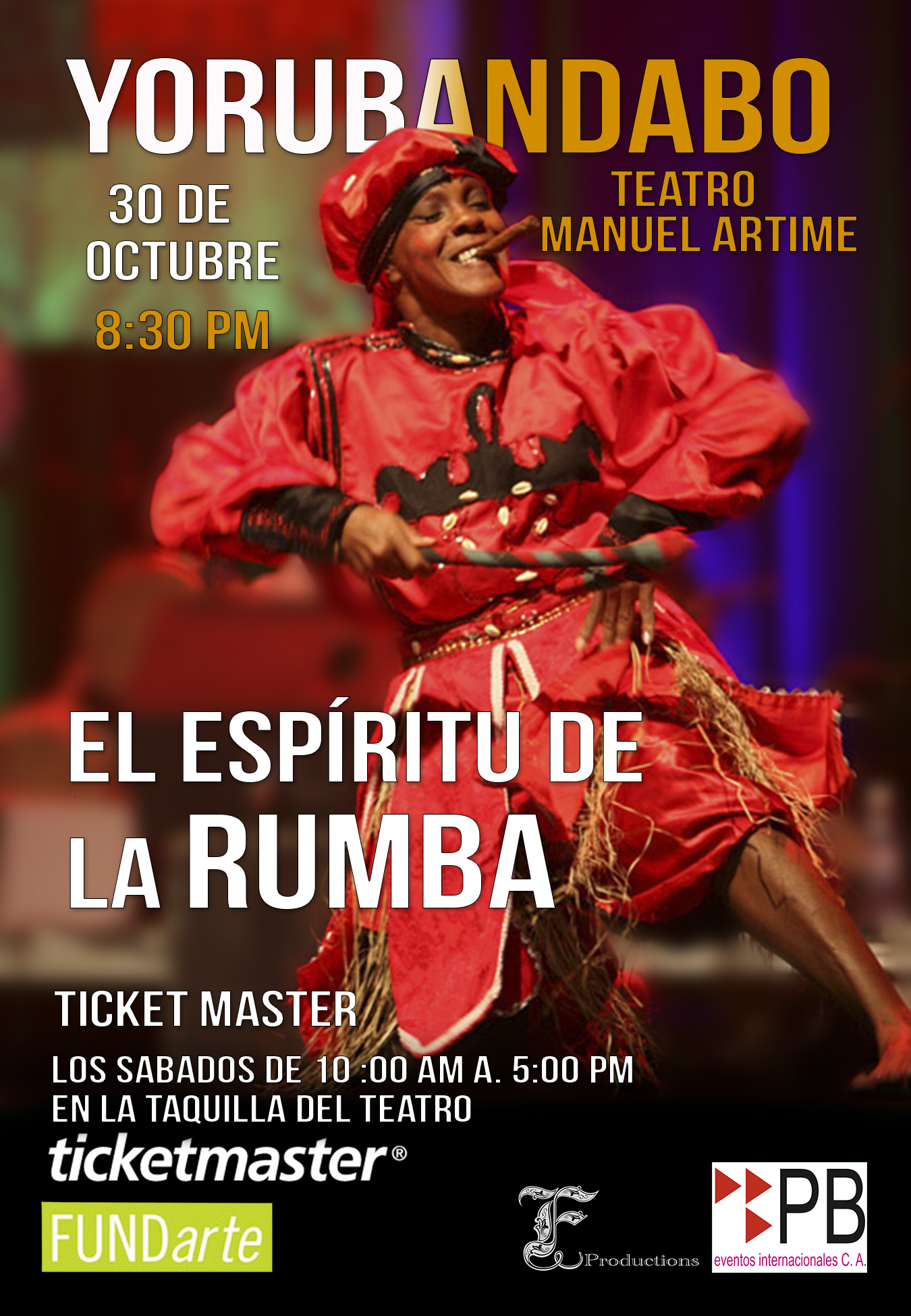
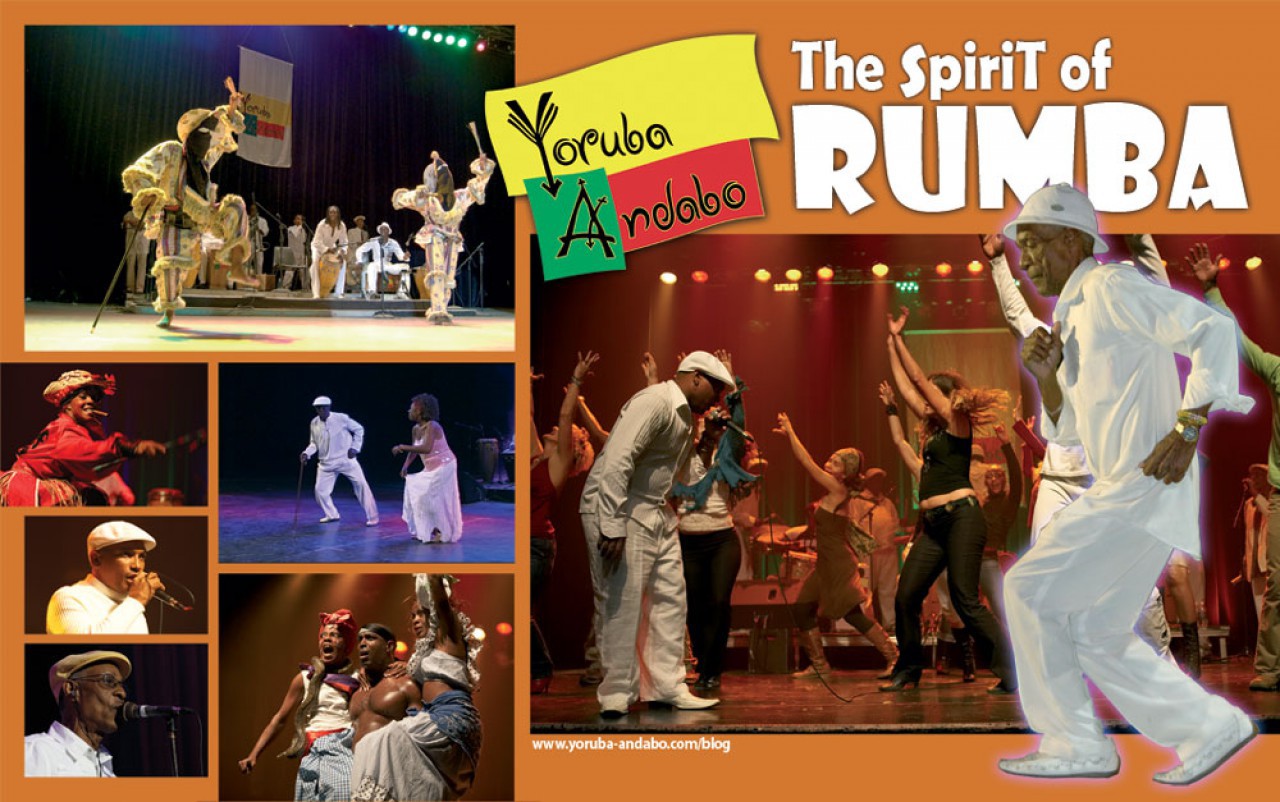
Rumba is Cuban and without Cuba, there is no Rumba. As simple as that! Come and enjoy the rumba experience with Yoruba Andabo!
“The possibility of experiencing a night with Yoruba Andabo was a unique one.Unique since one can witness an incredible reunion between something sacred,mystic and an atavistic and inborn sense of partying. The audience was transported to a separate world, a world of intense colors, of full joy and beauty.If the roots are, undoubtedly African and ancient, the charm of today’s music isan authentic wonder…”
Laurent Aubert, director of the Ethno-musicologist Cultural Center in Geneva
Enjoy the rumba experience withYoruba Andabo!
http://www.arteyvidachicago.com/sounds-of-rumba-with-yoruba-andabo/
|
http://www.streetswing.com/histmain/z3rumba.htm
Uploaded by #guarachon63 Origins of the word Rumba (Room-Bah) was a generic term used to describe a music style rather than a dance style. The Ballroom Rhumba that is danced today is not really the “Rumba of Cuba.” The Ballroom Rhumba of today is really an offshoot of the “Son” (slower) or “Danzon” (even slower)” done in Cuba, a much slower and polite version of the true, sexually “frantic” (& FAST) Rumba and also can be considered Afro-cuban. The “Son” was a popular middle class Cuban dance which is a modified version of the Rumba … and the danzon’ is even a slower version than the Son. |
||
|
Originally, it is said that the real Rumba came to Cuba through the African Slaves (Afro-cuban) imported from Spain into that country over two hundred years ago. Cuba eventually banned the dance as being too wild to dance in public. Eventually the law was forgotten about and some people started dancing it which helped people become more aware of the dance during the 1920’s and by 1925 President Machado put the ban back into effect, his decree stated: “this class of music (referring to African music) and the ‘rumba’ are contrary to the good custom and public order of Cuba.” However it was reported that the upper classes in Cuba did not dance the Rumba anyway, as it was to wild and frantic. The Son is played in two parts (chorus and verse) while the Son dancers only dance to the chorus. The Claves (instrument) create the mood of the dance. However, it may have been originally a Pantomimic dance of Africa that found its way to Cuba (Afro-Cuban.) The son as a music began to take shape in the latter half of the 19th century in Cuba’s Orient province, and gave birth to several hybrids including the afro-son, guajira-son, son-pregón and son-montuno. The son is perhaps the most important form at the root of today’s popular salsa music. After a period of change and development here in the States, the Son evolved into a popular sensual couples dance known today as the “Rumba.”
Uploaded by #guarachon63 “From “La Rumba” (1978, dir Oscar Valdés) Today there are three distinct styles of rumba done in Cuba with the dance primarily being danced as a freestyle or solo (non-lead and follow) dance. The first being called the “Guaguancó,” which is a seduction between the man and woman whereas he can try to get carnal and “attack” her. The second is the “Yambú” which has a flirty woman dancing with a older man (man can be young too) who cannot get carnal or “attack” her and finally the more polite “Columbia” which is more the traditional “Rooster and Hen” dance where the male struts his masculinity around and about the female.” The early Cuban Rumba can at times look like Cha-Cha and Mambo. Lew Quinn and Joan Sawyer are said to have tried the first real attempt at introducing the Rumba to Americans as far back as 1913, followed by Emil Coleman in 1923 and by Benito Collada in 1925 at a club called “El Chico” in Greenwich Village. In 1929 a small interest was growing in Latin-American music and in 1930 a Nuevos Ritmo (new rhythm) song called “The Peanut Vendor” by Don Azpiazu’s Havana Casino Orchestra was released which became a hit as a new DANCE to American dance forms. By the 1930’s all of America had become knowledgeable of Latin music and the Rumba. The “American Rumba” of today as written about earlier is a version of the son that Quinn and Sawyer tried to introduce years ago. Today it is known as a “Latin-Ballroom” couples dance (lead and follow) and correctly titled the “Dance Of Romance.” The American and International styled Rumba’s can be a very beautiful dance when done by a polished couple. Many of the erotic movements of the Ballroom Rumba stemmed from the original dancers of Cuba doing the tasks of the day such as “Shoeing the Mare,” “Doin’ the Laundry/Dishes,” “Climbing a Rope,” or the “Courtship of Barnyard Fowls.” The costumes that many performers originally wore, represented this in the woman’s long ruffled train of her skirt (hens feathers) or the mans ruffled shirt sleeves and or chest which represents the cocks hackle feathers. Today’s latin costumes look more like Lingerie. The Ballroom Rumba is a nice dance for dancers to showcase their technique ability and a polite sensuousness and romantic flair on a dance floor, whereas the Cuban rumba is more a rhythmic street dance and can appear to be of a cool, yet hectic and sometimes wild abandon with the technique more about the rhythm, roots and soul of the dance, rather than being a commercially pretty dance form. The Jamaican Mento dance closely resembles the Rumba. The Rumba was replaced in popularity by the Mambo, and later the Cha-Cha. The Rumba is sometimes spelt as Rhumba and Roomba. Also a new dance (c.1975) called the Night Club-Two Step (NC-2) was originally known as “Disco Two Step” (ala Buddy Schwimmer) is a modern semi-version of the Rumba, (a few say samba), it is done to modern slow music by pop artists such as Madonna, etc. NC-2 is mainly done in the West Coast Swing and Country Western communities.
|
||
Music is in our souls! 
obroniblog
Lilia • #DR Congo •
Source: live music in my yard

 Yoruba Andabo